
MEDIA CENTER
June 10th, 2026
Beat Summer Heat Under Glass Roofs with High-Tension Horizontal ZIP Screen
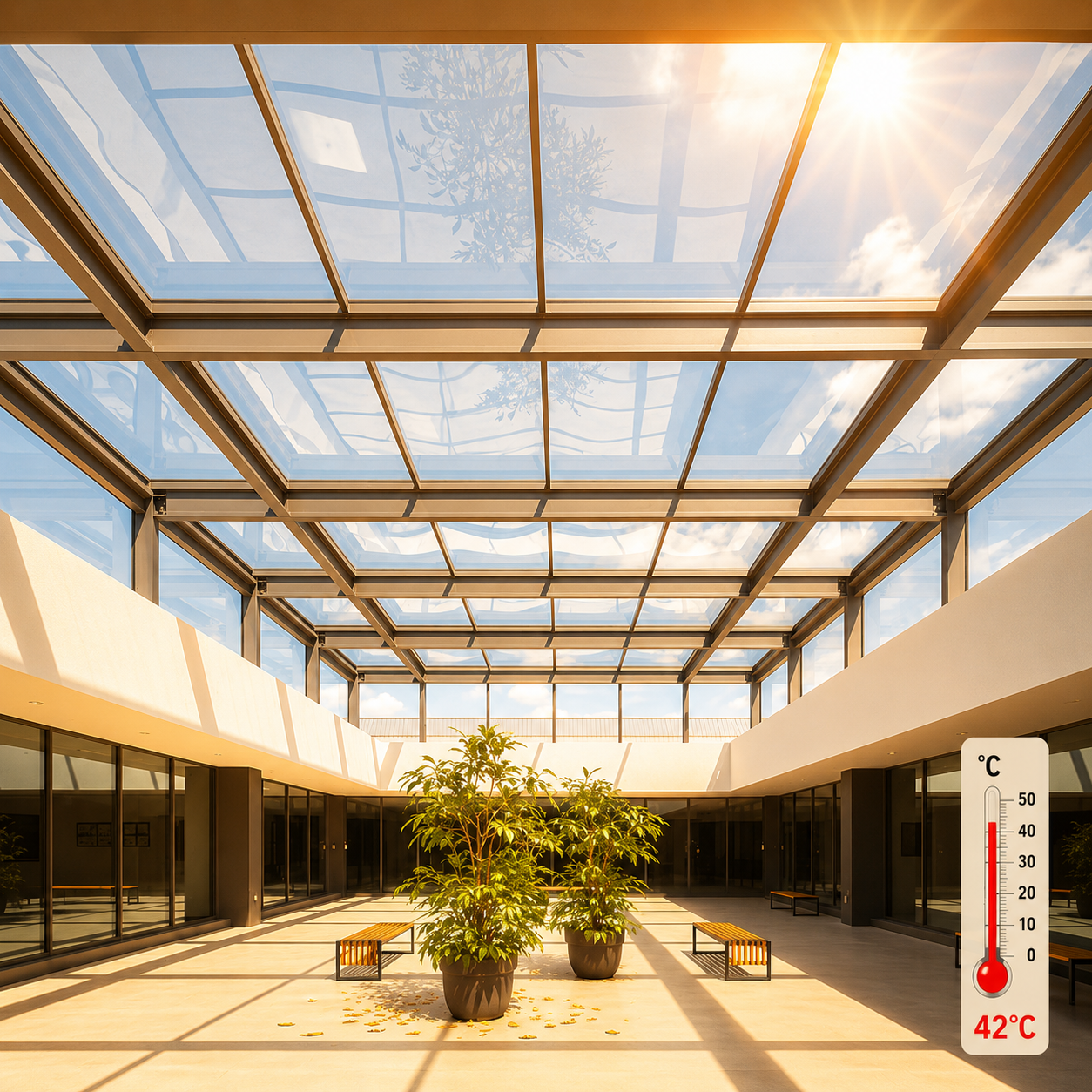
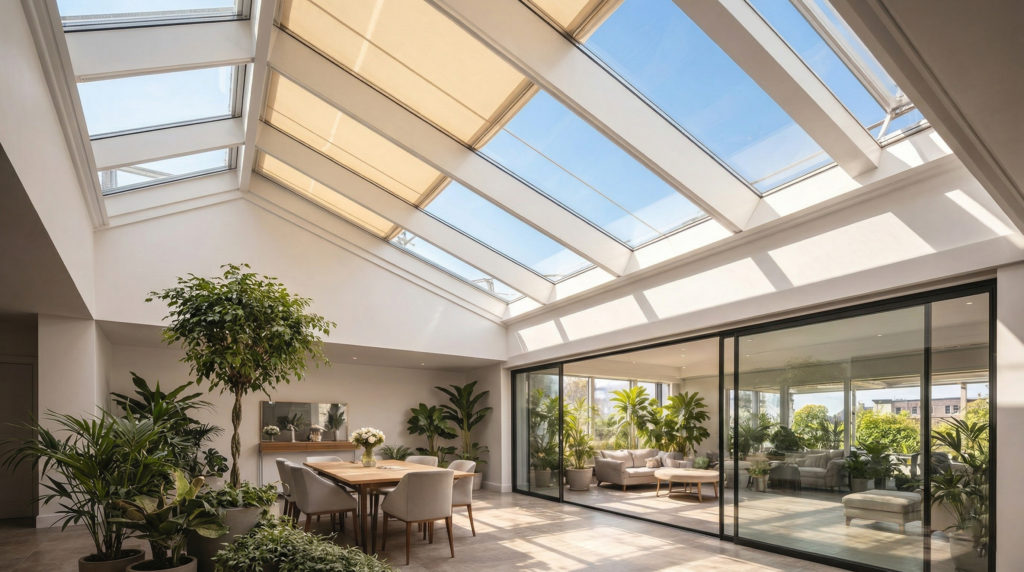
Modern glass skylights bring natural light and architectural elegance to buildings. However, during summer, they often become a major source of indoor heat gain. Direct solar radiation passes through the glass, rapidly increasing indoor temperatures and driving up air-conditioning costs. An effective external shading system is one of the most efficient ways to block heat at the source, improve occupant comfort, and reduce building energy consumption.
Large Commercial Glass Skylights: Heat Build-Up, Glare, and High Energy Costs
Glass skylights are often architectural highlights, but they can become a significant operational challenge during hot summer months.
Heat Build-Up Drives Cooling Costs Up by 30%–60%
Glass offers little resistance to solar radiation. Once sunlight enters the building, heat is absorbed by floors, ceilings, fixtures, and equipment, where it becomes trapped within the enclosed atrium space. Even with HVAC systems operating at full capacity, temperatures beneath skylights can remain 5–8°C higher than in other areas of the building and may exceed 38°C during peak summer conditions.
As a result, cooling energy consumption can increase by 30%–60%, leading to significantly higher operating costs and uneven cooling performance throughout the building.
Glare and Temperature Imbalance Reduce Visitor Comfort
Excessive sunlight also creates severe glare on floors, escalators, and retail displays, causing visual discomfort for visitors. Continuous exposure to direct sunlight can accelerate the fading and aging of merchandise, furnishings, and interior finishes.
At the same time, areas directly beneath the skylight often become uncomfortably hot, while surrounding corridors remain relatively cool. These temperature differences create an inconsistent indoor experience, discouraging visitors from spending time in key gathering areas and potentially affecting overall foot traffic and commercial performance.
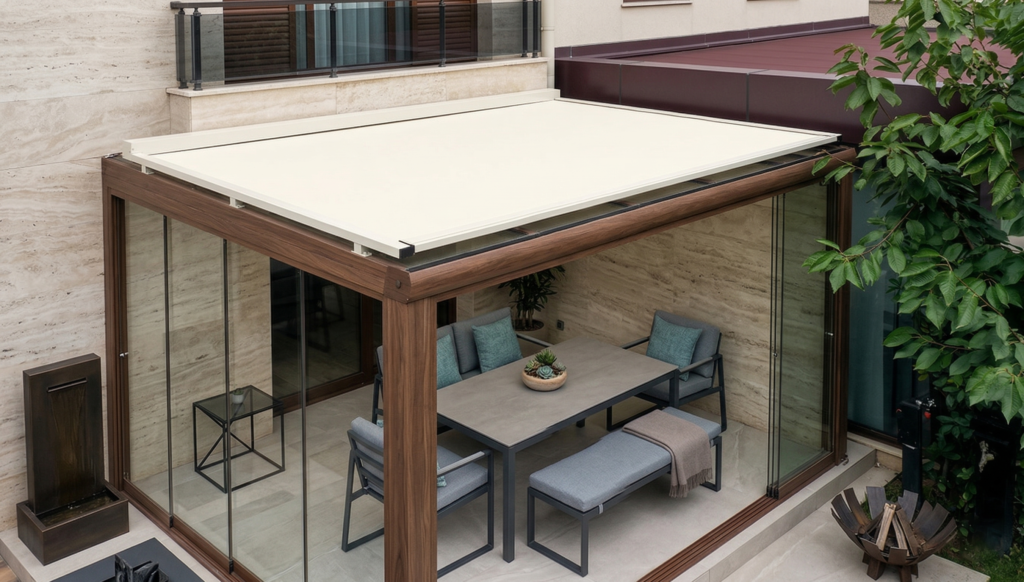
Residential Sunrooms: Too Hot in Summer, Too Cold in Winter
A glass sunroom can be one of the most attractive spaces in a home—until summer arrives.
Excessive Summer Heat Makes the Space Unusable
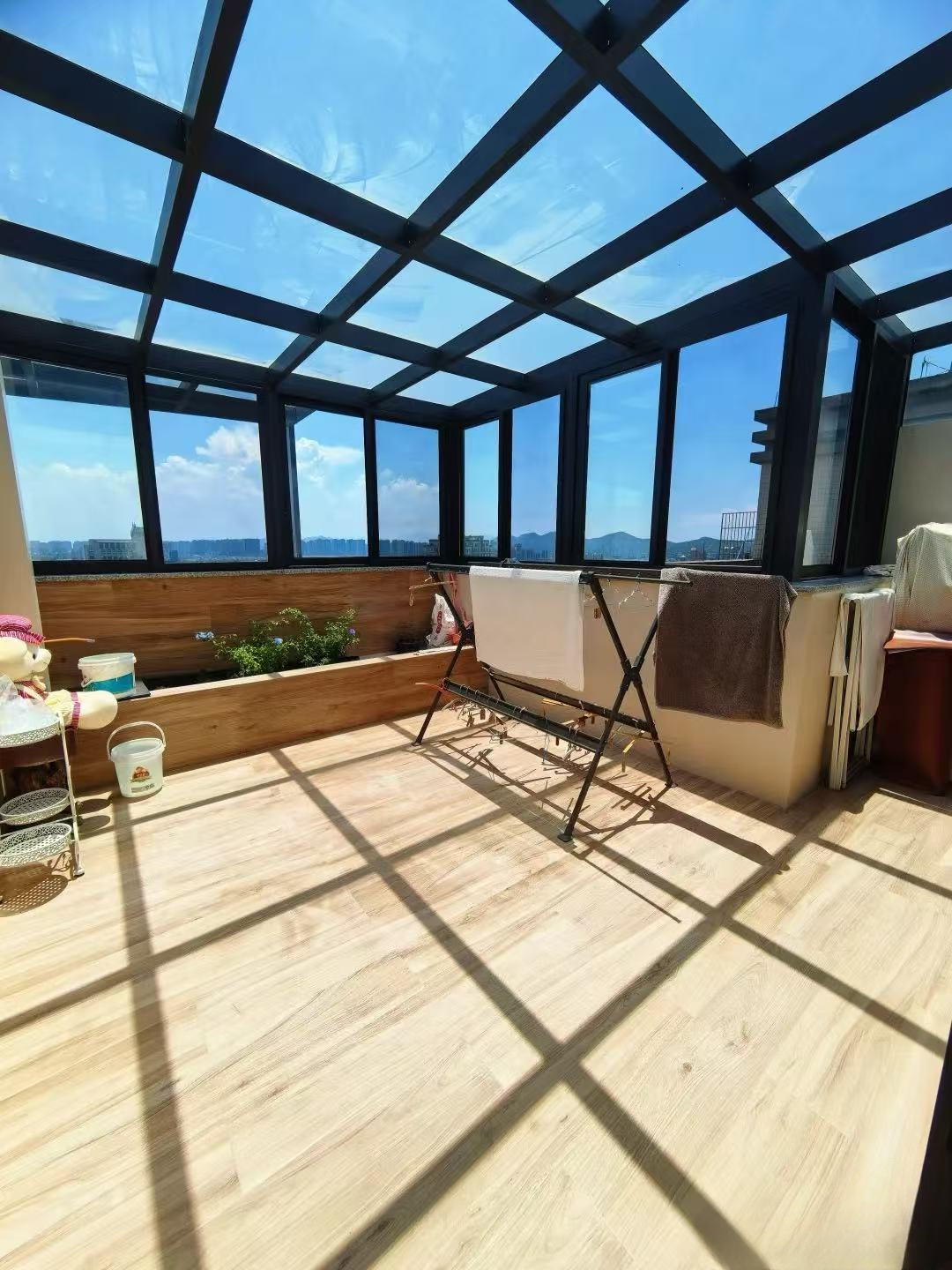
On sunny summer days, the temperature inside an unshaded sunroom can easily exceed 45°C, far above the outdoor temperature. Even when air conditioning runs continuously, it struggles to offset the constant influx of solar heat.
Without effective exterior shading, cooling efficiency drops significantly while energy consumption rises. During peak summer months, a sunroom can quickly turn from a relaxing retreat into an overheated space that is rarely used.
Year-Round Energy Loss and Interior Damage
The challenges continue during winter. Glass surfaces lose heat quickly, making it difficult to maintain a comfortable indoor temperature. Meanwhile, year-round UV exposure gradually fades fabrics, wood furniture, flooring, and other interior finishes.
Over time, excessive heat, heat loss, and UV damage can transform a once-desirable living space into a costly and underutilized area.
How Horizontal ZIP Screen Solve the Problem?
Block Solar Heat Before It Enters the Building
Whether in commercial buildings or residential sunrooms, excessive indoor temperatures are primarily caused by solar radiation passing through the glass.
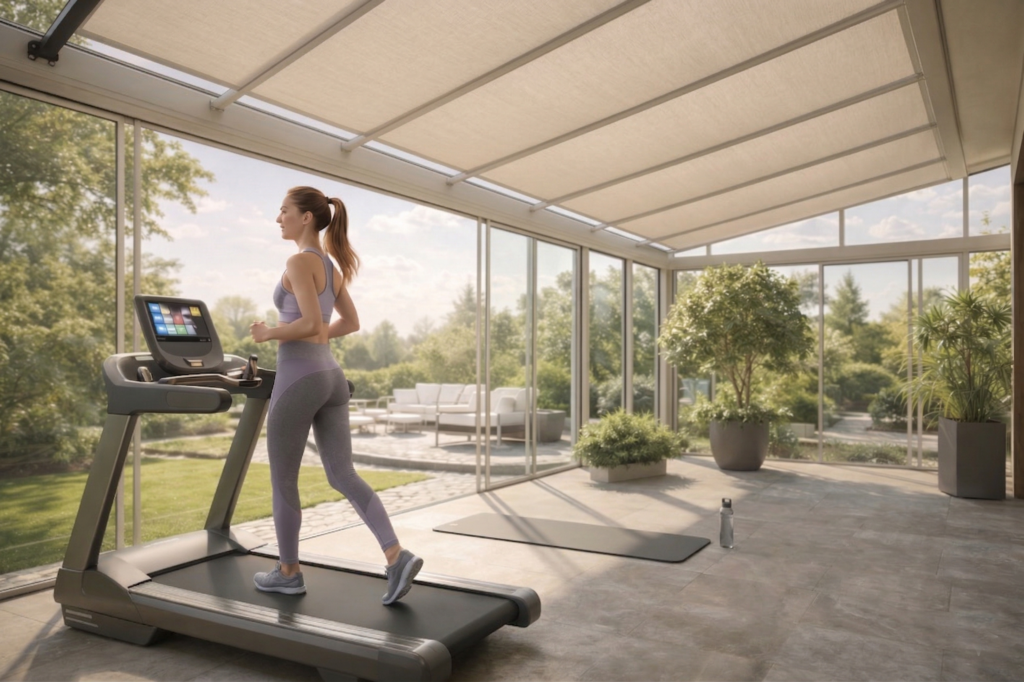
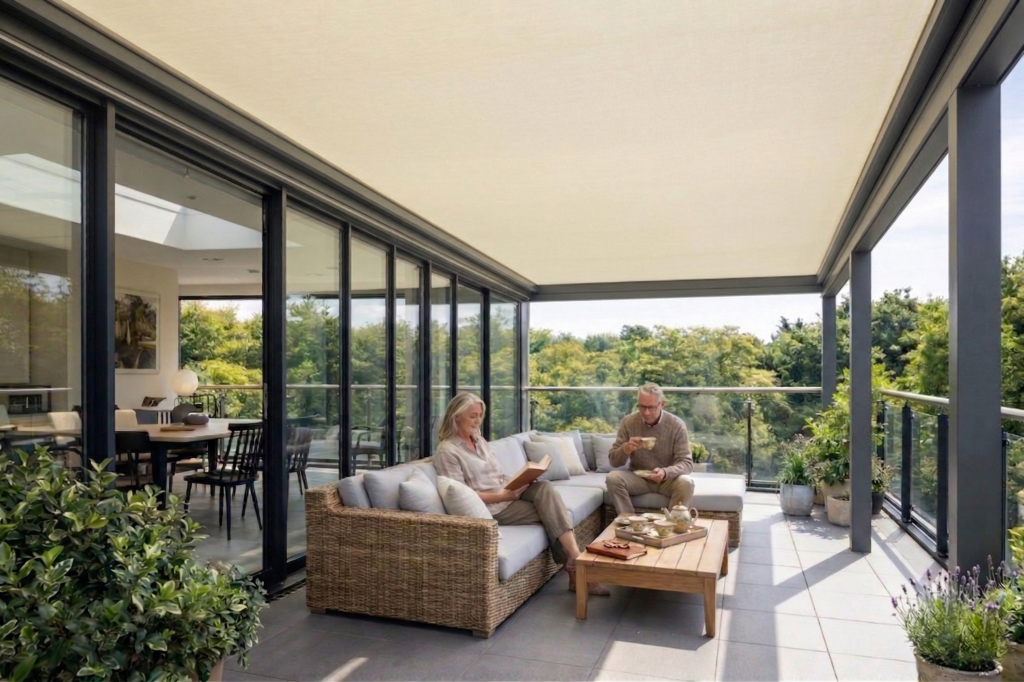
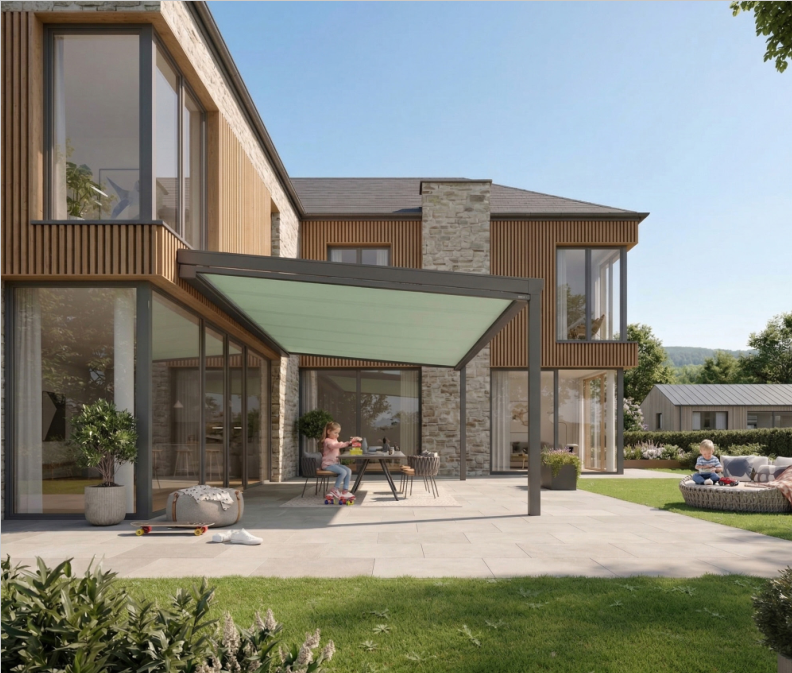
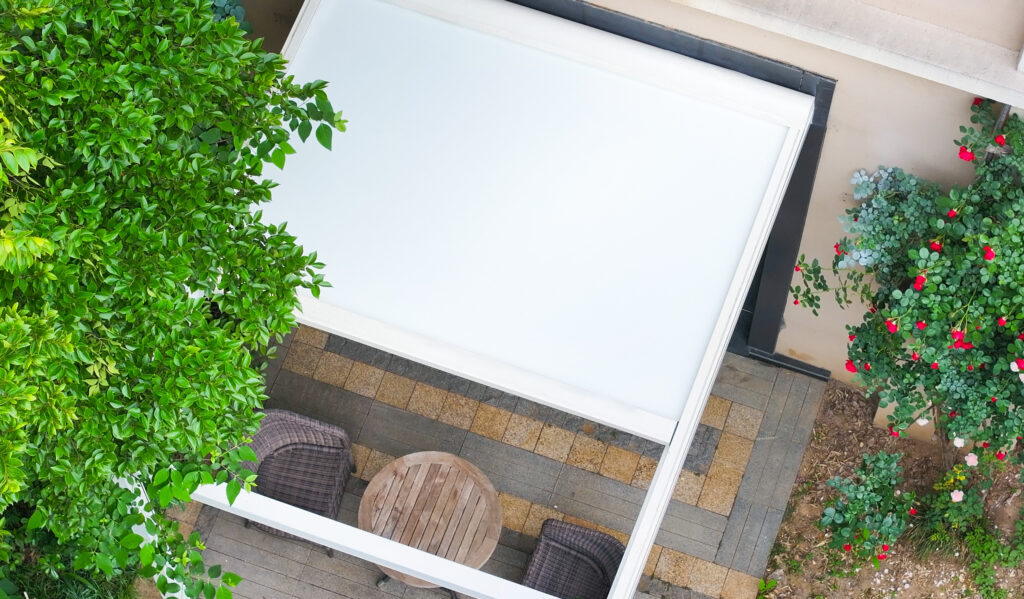
Installed above the glass roof, our Horizontal ZIP Screen System intercepts sunlight before it reaches the glazing, preventing heat from entering the building in the first place. This reduces cooling loads, improves HVAC efficiency, and helps lower overall energy consumption.
Studies show that reducing direct solar exposure can cut cooling-related energy use by more than 30%, while overall electricity consumption may be reduced by approximately 5%.
Improve Daylight Comfort and Protect Interiors
Horizontal ZIP Screen System filter sunlight and block up to 96% of UV radiation, transforming harsh direct sunlight into soft, diffused daylight. This significantly reduces glare and creates a more comfortable indoor environment.
At the same time, furniture, finishes, displays, and interior decoration are better protected from UV damage and excessive heat, helping extend their service life and reduce replacement costs.
More Than Shading: Long-Term Value for Buildings
Choosing a Horizontal ZIP Screen System is not simply about adding shade—it is about investing in a long-term solution that improves building performance.
The ULE PANDA Horizontal ZIP Screen System is designed around the principle of exterior solar control, stopping heat before it enters the building rather than relying on air conditioning to compensate for excessive heat gain.
Conclusion:
Its high-performance fabric offers a light fastness rating of up to Grade 8 and blocks up to 96% of UV radiation, providing year-round protection for interiors, equipment, and valuable furnishings.
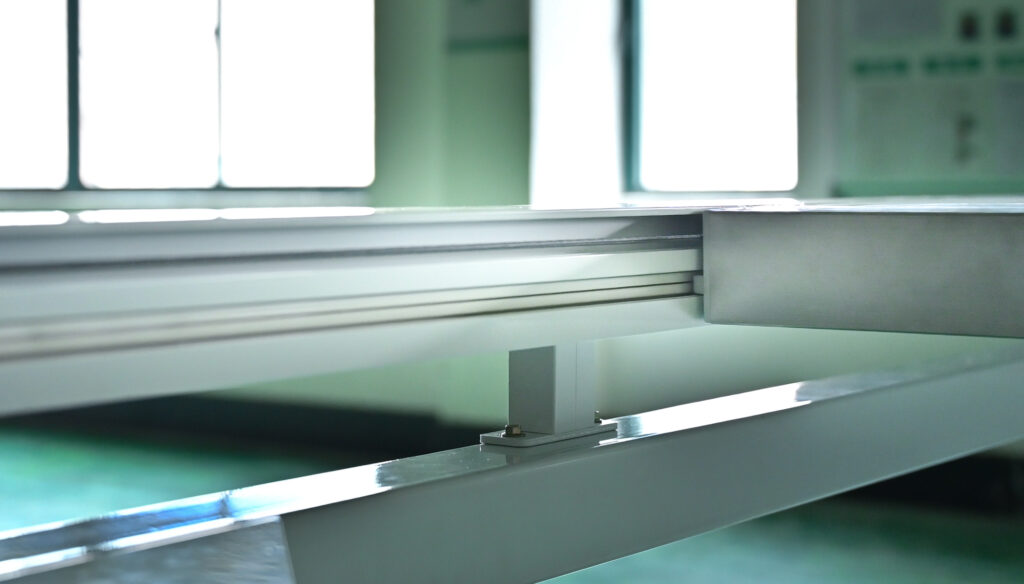
Engineered for durability, the system features weather-resistant metal components, high-strength woven cords, and stainless-steel bearing roller assemblies to ensure reliable operation under demanding conditions while minimizing maintenance requirements and operating costs.
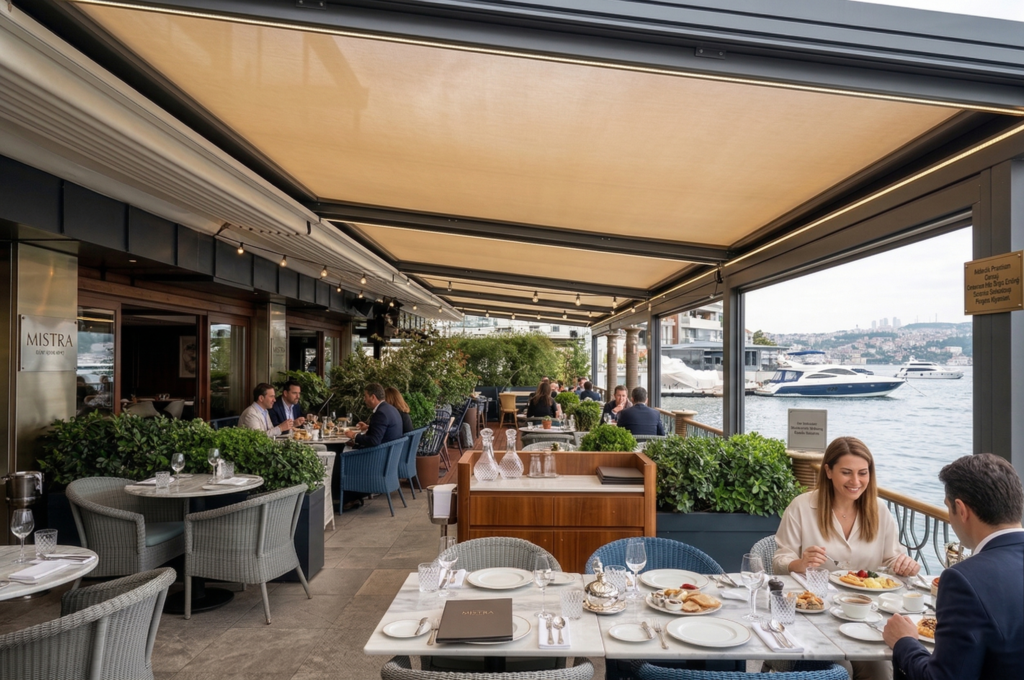
With a clean, minimalist appearance, it integrates seamlessly into both luxury residential sunrooms and large commercial skylight structures, complementing the architectural design without compromising aesthetics.
From private villas, glass-roofed patios, and modern terraces to office buildings, hotels, and large commercial atriums, the ULE PANDA Horizontal ZIP Screen System serves as more than a barrier against heat and sunlight—it is an intelligent building solution that enhances comfort, improves energy efficiency, and creates lasting value.
Contact us
Grace
Account Manager

info@ulepanda.com

+86 15836962895

+86 15836962895